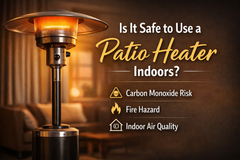
Can You Safely Use a Patio Heater Indoors? Find Out Now!
Understanding Patio Heaters: Types and Functions
Patio heaters have become a popular addition to outdoor spaces, providing warmth and comfort during the colder months. They come in various types, each with its unique functions. The most common types include propane, electric, and natural gas heaters. Propane heaters are often chosen for their portability and ease of use. They typically feature a large propane tank at the base and emit heat through a burner at the top. Electric patio heaters, on the other hand, are known for their convenience and cleaner energy use. They plug into an electrical outlet and can be easily moved around, making them ideal for various outdoor settings. Natural gas heaters are usually more permanent fixtures, connecting directly to a natural gas line, which provides a continuous supply of fuel without the need for refilling.
Each type of patio heater operates differently. Propane heaters generate heat through the combustion of propane gas, which is then emitted through a metal reflector to disperse warmth evenly. Electric heaters use infrared technology to produce heat, which is then radiated directly onto objects and people. This type of heating is efficient and ideal for smaller areas. Natural gas heaters function similarly to propane heaters but are connected to a natural gas line, providing a steady and often more economical source of heat. Understanding these differences is crucial when considering the use of patio heaters, especially when contemplating their use indoors.
The functionality of these heaters also varies. Propane and natural gas heaters are typically more powerful and can heat larger areas, making them suitable for spacious patios or outdoor gatherings. Electric heaters, while less potent, offer the benefit of clean energy and are often safer for smaller, more confined spaces. However, the key to using any patio heater safely lies in understanding its intended purpose and limitations. This knowledge is essential when evaluating whether it’s safe to use a patio heater indoors.
The Risks of Using Patio Heaters Indoors
Using patio heaters indoors poses significant risks that cannot be overlooked. The most pressing danger is the potential for carbon monoxide poisoning. Propane and natural gas heaters produce carbon monoxide as a byproduct of combustion. In an enclosed space, this colorless and odorless gas can accumulate to dangerous levels, posing a severe risk to anyone inside. Symptoms of carbon monoxide poisoning include headaches, dizziness, nausea, and in severe cases, even death. This risk alone is a compelling reason to avoid using outdoor heaters inside.
Another major concern is the risk of fire. Patio heaters are designed to operate in well-ventilated outdoor spaces where the heat they generate can dissipate safely. When used indoors, the intense heat can ignite nearby flammable materials such as curtains, furniture, or even structural elements of the house. This risk is especially high with propane and natural gas heaters, which can reach very high temperatures. Furthermore, the use of these heaters in confined spaces can lead to overheating and potential malfunctions, further increasing the fire hazard.
Additionally, using a patio heater indoors can lead to poor air quality. Combustion heaters, in particular, can release other harmful byproducts such as nitrogen dioxide and particulate matter, which can exacerbate respiratory conditions like asthma or allergies. Even electric heaters, while generally safer, can pose a risk if they are not designed for indoor use. They can overheat and cause electrical fires if not properly maintained or used according to manufacturer guidelines. These risks highlight the importance of adhering to the intended use of patio heaters and exploring safer alternatives for indoor heating.
Key Safety Features to Look For
When selecting a patio heater, whether for outdoor or potential indoor use, it is crucial to consider key safety features that can mitigate risks. One of the most important features to look for is an automatic shut-off mechanism. This feature ensures that the heater will turn off automatically if it tips over or overheats, significantly reducing the risk of fire. Many modern patio heaters come equipped with this feature, providing an added layer of safety.
Another essential safety feature is a built-in carbon monoxide detector. For propane and natural gas heaters, this feature is critical as it can alert users to dangerous levels of carbon monoxide in the area. Some heaters come with integrated sensors that will shut off the unit if carbon monoxide levels become too high. This can be especially useful in semi-enclosed spaces where ventilation might not be adequate. Additionally, look for heaters with cool-touch exteriors and protective grills to prevent accidental burns, especially if there are children or pets in the vicinity.
Proper ventilation mechanisms are also a significant safety consideration. Heaters with adjustable vents or those designed to be used with external ventilation systems can help ensure that combustion gases are adequately dispersed. This is particularly important for natural gas and propane heaters. Furthermore, selecting heaters that have been tested and certified by recognized safety organizations, such as UL (Underwriters Laboratories) or CSA (Canadian Standards Association), can provide additional assurance of the heater’s safety and reliability. These certifications indicate that the product has undergone rigorous testing to meet established safety standards.
Proper Ventilation: Why It Matters
Proper ventilation is a critical aspect of safely using any type of heater, especially those that rely on combustion, such as propane or natural gas patio heaters. Ventilation ensures that harmful byproducts like carbon monoxide, nitrogen dioxide, and other gases are effectively expelled from the area, preventing them from accumulating to dangerous levels. In outdoor settings, natural airflow typically provides sufficient ventilation. However, in enclosed or semi-enclosed spaces, additional measures must be taken to ensure adequate ventilation.
Without proper ventilation, the risk of carbon monoxide poisoning increases significantly. This gas is particularly dangerous because it is colorless and odorless, making it difficult to detect without specialized equipment. Symptoms of carbon monoxide poisoning can appear suddenly and include headache, dizziness, weakness, nausea, and confusion. In severe cases, it can lead to loss of consciousness and death. Ensuring that your space is well-ventilated can prevent these dangerous scenarios. This can be achieved by keeping windows and doors open or using fans to circulate air when using heaters in semi-enclosed spaces.
Additionally, proper ventilation helps to maintain good air quality. Combustion heaters can release other pollutants that can irritate the respiratory system and exacerbate conditions like asthma or allergies. Even electric heaters, if used improperly, can contribute to poor indoor air quality by circulating dust and allergens. When using any heater, it’s important to regularly check and maintain ventilation systems to ensure they are functioning correctly. This might include cleaning vents, ensuring exhaust systems are clear of obstructions, and using air purifiers to filter out airborne pollutants. Proper ventilation not only protects your health but also enhances the overall safety and comfort of your indoor environment.
Alternatives to Indoor Heating Solutions
Given the risks associated with using patio heaters indoors, it’s wise to consider alternative heating solutions that are specifically designed for indoor use. One of the most common and effective alternatives is electric space heaters. These heaters come in various sizes and designs, making them suitable for different room sizes and heating needs. Many modern electric heaters are equipped with advanced safety features such as tip-over protection, overheat sensors, and cool-touch exteriors, making them a safer choice for indoor spaces.
Another excellent alternative is infrared heaters. These heaters use infrared technology to produce heat, which is then absorbed by objects and people in the room, rather than heating the air. This type of heating is highly efficient and provides a consistent and comfortable warmth. Infrared heaters are also generally safer than combustion heaters as they do not produce harmful byproducts. They are available in various styles, from portable units to wall-mounted models, providing flexibility in terms of placement and use.
For those looking for a more permanent solution, central heating systems offer a comprehensive approach to indoor heating. These systems can be powered by natural gas, electricity, or oil and are designed to heat an entire home through a network of ducts and vents. While the initial installation cost can be high, central heating systems are highly efficient and can be controlled via thermostats for precise temperature management. Additionally, they often come with built-in air filtration systems that help maintain good indoor air quality. Exploring these alternatives can help you find a safe and effective heating solution for your indoor spaces without the risks associated with using patio heaters indoors.
How to Use a Patio Heater Safely Outdoors
While patio heaters are not recommended for indoor use, they can be safely and effectively used in outdoor spaces if proper precautions are taken. The first step is to ensure that the heater is placed on a stable, flat surface away from any flammable materials such as furniture, plants, or overhanging branches. This helps to prevent accidental tipping or the ignition of nearby objects. Always follow the manufacturer’s guidelines for safe distances and placement to minimize risks.
Another important safety measure is to regularly inspect your patio heater for any signs of wear and tear or damage. Check hoses, connections, and burners for leaks or corrosion, and make sure that the heater is clean and free of debris. Performing regular maintenance can help identify potential issues before they become serious safety hazards. Additionally, always use the correct type of fuel as specified by the manufacturer, and ensure that propane tanks or natural gas lines are securely connected and not leaking.
It’s also crucial to supervise the heater while it is in use. Never leave a patio heater unattended, especially if children or pets are nearby. Ensure that all safety features, such as automatic shut-off mechanisms, are functioning correctly. When the heater is not in use, turn it off and disconnect it from the fuel source. Store propane tanks in a well-ventilated area away from direct sunlight and heat sources. By taking these precautions, you can enjoy the warmth and comfort of your patio heater while minimizing the risks associated with its use.
Legal Regulations and Guidelines for Indoor Heating
Understanding the legal regulations and guidelines governing indoor heating is essential for ensuring safety and compliance. Different regions have specific building codes and regulations that dictate what types of heating appliances can be used indoors. For example, the U.S. Consumer Product Safety Commission (CPSC) provides guidelines for safe heating practices and requires that all heaters meet certain safety standards. It is crucial to familiarize yourself with local regulations and ensure that any heating device you use complies with these standards.
In many areas, the use of certain types of heaters, such as those designed for outdoor use, is strictly prohibited indoors due to the risks they pose. Building codes often specify ventilation requirements, minimum clearances, and other safety measures that must be followed to ensure safe operation. Non-compliance with these regulations can result in fines, legal liability, and increased risk of accidents. Always check with local authorities or a professional contractor to ensure that your heating setup meets all applicable codes and regulations.
Additionally, many insurance policies have specific clauses related to the use of heating appliances. Using a heater that is not approved for indoor use can void your insurance coverage in the event of a fire or other incident. It is essential to review your insurance policy and consult with your insurance provider to understand any restrictions or requirements related to indoor heating. Adhering to legal regulations and guidelines not only ensures your safety but also provides peace of mind knowing that you are in compliance with the law.
Signs of Carbon Monoxide Poisoning: What to Watch For
Recognizing the signs of carbon monoxide poisoning is crucial for preventing serious health consequences. Carbon monoxide (CO) is a colorless, odorless gas that can be deadly if inhaled in large amounts. Early symptoms of CO poisoning can be easily mistaken for common illnesses, so it’s important to be aware of the warning signs. Initial symptoms often include headache, dizziness, nausea, and shortness of breath. These symptoms can escalate quickly and may be accompanied by confusion, disorientation, and loss of consciousness.
If you or anyone in your household experiences these symptoms while using a heater, it’s essential to act quickly. Turn off the heater, ventilate the area by opening windows and doors, and move to fresh air immediately. Seek medical attention as soon as possible, even if symptoms appear to subside. Prolonged exposure to carbon monoxide can lead to severe health issues, including brain damage and death. It is also important to have carbon monoxide detectors installed in your home. These devices can provide early warning of elevated CO levels, allowing you to take action before symptoms occur.
Preventing carbon monoxide poisoning involves ensuring that all combustion appliances, including heaters, are properly installed, maintained, and used according to manufacturer guidelines. Regular inspections and maintenance by a qualified professional can help identify potential issues before they become dangerous. Additionally, never use outdoor heaters or other combustion appliances indoors, and always ensure that your home is well-ventilated when using any type of heating device. Being vigilant and informed about the signs of carbon monoxide poisoning can help protect you and your loved ones from this silent threat.
Expert Opinions: What Professionals Say About Indoor Use
Experts unanimously advise against using patio heaters indoors due to the significant risks they pose. According to the National Fire Protection Association (NFPA), using outdoor heaters in enclosed spaces can lead to carbon monoxide buildup, which is a leading cause of accidental poisoning deaths in the United States. Fire safety professionals emphasize that patio heaters are designed for outdoor use where there is ample ventilation to disperse harmful gases. They strongly recommend using only heaters that are specifically certified for indoor use.
Heating and ventilation experts also highlight the importance of proper ventilation when using any type of heater. They caution that even heaters designed for indoor use can pose risks if the space is not adequately ventilated. Professionals suggest regular maintenance and inspections to ensure that heaters are operating safely and efficiently. They also recommend installing carbon monoxide detectors in multiple locations throughout the home to provide early warning of elevated CO levels. These detectors are an essential safety measure, especially when using combustion-based heating appliances.
Insurance and legal experts also weigh in on the issue, pointing out that using a patio heater indoors can lead to serious legal and financial consequences. Many insurance policies have specific exclusions for damages caused by the improper use of heating appliances. If a fire or other incident occurs as a result of using an outdoor heater indoors, it could result in denied claims and significant financial liability. Legal professionals advise homeowners to adhere strictly to manufacturer guidelines and local regulations to avoid these potential pitfalls. The consensus among experts is clear: patio heaters should never be used indoors, and safer, certified alternatives should be employed for indoor heating needs.
Conclusion: Making the Right Choice for Your Heating Needs
In conclusion, while the idea of using a patio heater indoors might seem tempting, the risks far outweigh any potential benefits. Patio heaters are specifically designed for outdoor use, where natural ventilation can safely disperse harmful byproducts such as carbon monoxide. Attempting to use these heaters indoors can lead to serious health risks, including carbon monoxide poisoning, fire hazards, and poor air quality. It is crucial to understand the intended purpose and limitations of these devices to ensure safe and effective use.
Instead of risking your safety, consider alternative heating solutions that are designed for indoor use. Electric space heaters, infrared heaters, and central heating systems offer safe and efficient ways to keep your indoor spaces warm and comfortable. These options come with advanced safety features and are compliant with local regulations, providing peace of mind and reliability. Proper ventilation and regular maintenance are essential for any heating device to ensure safe operation and good indoor air quality.
Ultimately, making the right choice for your heating needs involves being informed and cautious. Adhering to safety guidelines, understanding the risks, and choosing appropriate heating solutions can protect you and your loved ones from potential hazards. By prioritizing safety and compliance, you can enjoy a warm and cozy indoor environment without compromising your health or safety.